
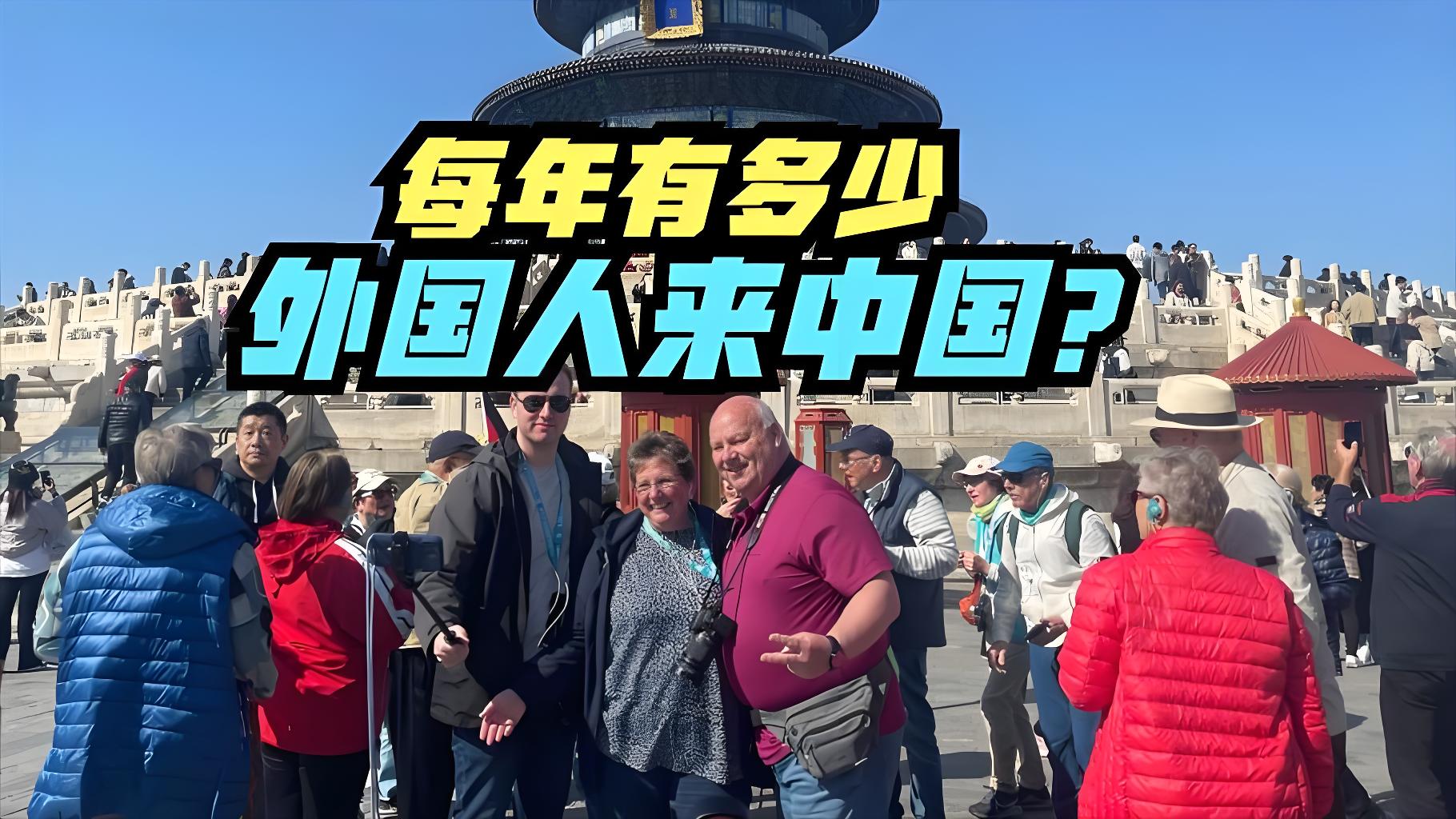
This Spring Festival, the most eye-catching scene is that “Chinese New Year” has become the world’s hottest attraction.
A quick scroll through short videos or a walk down any city street makes it clear: foreigners are traveling across oceans to experience China’s festive vibe, turning our Spring Festival into a global carnival.
In Beijing’s hutongs, they join elderly locals to paste Spring Festival couplets, fumbling to put the character “Fu” upside down with grins, asking if it means “blessing has arrived”. On Suzhou’s Pingjiang Road, groups of foreigners sit in teahouses, nodding along to pingtan performances so absorbed that they forget to check their phones. At Harbin Ice-Snow World, people of all skin colors scream while riding ice slides, having more fun than they would clubbing in their home countries.
This is no fleeting novelty. It is a wave of “spiritually Chinese” visitors coming to China to live an authentic local life.
From “Checking In China” to “Celebrating Chinese New Year”: Inbound Tourism 2.0 Arrives
Many travel influencers throw around jargon like “experiential consumption upgrade” or “cultural scene empowerment”, but it all boils down to one truth: China’s inbound tourism has evolved from the sightseeing-focused 1.0 era to the immersive 2.0 era.
In the 1.0 era, foreigners visited China as passive tourists, checking off landmarks like a to-do list. In the 2.0 era, they come to “celebrate a Chinese New Year” — fully immersing themselves in local life. The former was superficial sightseeing; the latter is deep emotional resonance.
Take the old model: foreigners followed tour guides to snap photos at the Great Wall, the Bund and the Terracotta Army, fulfilling a “checklist KPI” without even tasting a bowl of authentic dumplings. To them, China was just a stereotype of “pandas + kung fu”, easily forgotten after the trip.
This year is completely different.
In a Shanghai calligraphy studio, several German tourists hold brushes, carefully copying the character “Ma” (Horse). Though their writing is crooked, they pester staff for brushwork tips, frame their “masterpieces” and plan to show them off to their families back home. At wellness centers in Sanya, Hainan, Russian women queue for acupuncture and herbal treatments, exclaiming that it’s “half the price of back home and more professional”. No longer content with beach sunbathing, they are obsessed with traditional Chinese wellness and even health-preserving teas.
More notably, foreigners are now chasing China’s authentic daily vitality.
Many join Chinese families for New Year’s Eve dinners, gather around tables to make dumplings, applaud along with the Spring Festival Gala, learn to say “Happy Spring Festival”, and even know to ask for red envelopes. Greek tourists avoid busy commercial areas, wandering slowly through the Shanghai-Suzhou-Hangzhou route — enjoying night lanterns in Zhujiajiao, taking rowing boats by West Lake, and tasting time-honored pastries on Pingjiang Road, fully savoring the delicate warmth of Jiangnan’s Spring Festival.
The core of inbound tourism 2.0 is that foreigners have shifted from “onlookers” to “participants”. Before, we showed them the sights; now, they voluntarily step into our lives and taste our daily joys.
This transformation is not achieved by mere promotion. It stems from foreigners’ recognition of Chinese culture and lifestyle — the long-built confidence of China’s cultural tourism industry can no longer be hidden.
The Inbound Tourism Boom Is No Hype
In the past, inbound tourists to China were mostly from South Korea, Japan and Singapore, with very few Western visitors.
This year, the trend has broken through globally, with genuine experience-seekers pouring in instead of casual checklist travelers.
Hard data from Ctrip, Qunar and Spring Travel speaks for itself: Spring Festival air tickets to China surged over 4 times year-on-year. Shanghai received nearly 10 million inbound tourists last year, up nearly 40% year-on-year, hitting a recent high.
Long-haul markets saw explosive growth: arrivals from Argentina and the Netherlands jumped 9 times and 8 times respectively. Countries that once sent few visitors are now sending groups to celebrate the Spring Festival in China.
Source markets are diversifying, and so are destinations — no longer dominated solely by Beijing, Shanghai, Guangzhou and Shenzhen.
Harbin won popularity with ice and snow, Sanya retained visitors with wellness, Suzhou and Chengdu charmed them with daily vitality, and even lesser-known spots like Zhujiajiao and Pingjiang Road have become foreign favorites.
In short, foreigners no longer fixate on landmark check-ins; they prefer to slow down and feel a city’s true charm. This is the high-quality traffic the cultural tourism industry truly needs.
Crucially, visa-free policies have been a game-changing boost.
The visa exemption for 48 countries has been extended to the end of 2026, China-Russia mutual visa exemption remains in force, and 240-hour transit visa-free ports are expanding. In the past, tedious visa procedures deterred many foreigners; now, they can book a flight and depart, more convenient than a domestic short trip. During New Year’s Day this year, visa-free arrivals reached 292,000, up 35.8% year-on-year. Numbers don’t lie.
If high-quality traffic is the “face” of inbound tourism 2.0, upgraded experiences are its “substance”. The old one-size-fits-all itineraries are gone; the industry now caters to personalized demands.
Shanghai’s “Travel Super Competition” is a perfect example: it designs tailored routes for different visitors — architecture + art + Disneyland for German-speaking tourists, Jiangnan cultural tours for Greek visitors, and wellness + island packages for Russian tourists. Precision beats rigid standardization.
Services have also improved dramatically. Foreign card payment coverage exceeds 95%, and foreigners can use Alipay and WeChat Pay directly. Zhangjiajie has hired over 1,000 multilingual guides, and multilingual signs and folk custom guides are available across scenic spots, eliminating language and cultural barriers.
Why This Boom? A Two-Way Journey of Mutual Recognition
Why are foreigners flocking to China for Spring Festival, and why has inbound tourism upgraded to 2.0?
It is no accident. It is a “two-way journey”: China opens its doors warmly, and foreigners are willing to come. It is the inevitable result of China’s rising comprehensive national strength, cultural soft power and mature cultural tourism industry.
In the past, we tried to “beg the world to see China” with low-cost tours and trendy check-in spots. Now, we stand with confidence rooted in cultural self-assurance.
“Becoming Chinese” has trended overseas: foreigners imitate drinking hot water, goji berry tea and Baduanjin, learn Chinese cooking and Spring Festival traditions with admiration. We no longer need to pander to stereotypes; showing our authentic daily vibe is the most appealing.
The outdated Western smear of China has been shattered by reality. Foreigners see high-speed railways, convenient mobile payment, clean cities, and the blend of tradition and modernity. Real experience is more powerful than any propaganda.
As French photographer Alex Cisse said: “I thought I was visiting China, but actually, China has entered my heart.” Foreign visitors now come not just out of curiosity, but recognition — of China’s lifestyle, culture and vibrant reality.
Longing built online through “cloud inspiration” has exploded into offline experiences during this 9-day Spring Festival holiday.
Foreigners flocking to China for Spring Festival is not a temporary fad, but a sign of changing times.
2026: A New Playbook for Inbound Tourism Success
For cultural tourism enterprises, 2026 is both an opportunity and a challenge. The era of standardized, low-price competition is over; success lies in culture, service and personalized innovation.
Core Strategies for 2026
- Segmented & Personalized Products
- For European and American tourists: In-depth cultural tours (calligraphy, TCM, intangible cultural heritage).
- For Southeast Asian tourists: Spring Festival immersive experiences (couplet-pasting, temple fairs, New Year dinners).
- For high-spending visitors: Wellness + medical tourism (TCM, dentistry, ophthalmology, hot spring resorts).
- Leverage Lesser-Known DestinationsDevelop differentiated routes like “Jiangnan Slow Travel” and “Hutong Daily Vibe” to avoid competition over crowded landmarks.
- Emotional Resonance as Service CoreTrain multilingual guides who understand both foreign cultures and Chinese folk customs; optimize payment, tax refunds and international medical services; add warm touches like Spring Festival gifts and family dinner invitations.
- Culture as Core CompetitivenessDig deep into cultural connotations instead of superficial stereotypes. Explain the meaning of calligraphy, TCM philosophies and pingtan traditions, letting foreigners truly understand Chinese culture.
- Channel Linkage & Global ResonancePromote via overseas social media and travel influencers online; integrate flights, hotels and experiences offline; develop cultural souvenirs to let visitors “take Chinese culture home”.
Epilogue
The Spring Festival vibe lingers, and the wave of inbound tourism 2.0 is unstoppable.
Only enterprises that delve into culture, optimize services and truly understand foreign demands will seize the era’s dividends. This is how we let more people come to China, understand China and love China.